Creating and Monetizing Private Community Ecosystems: The Modern Digital Campfire
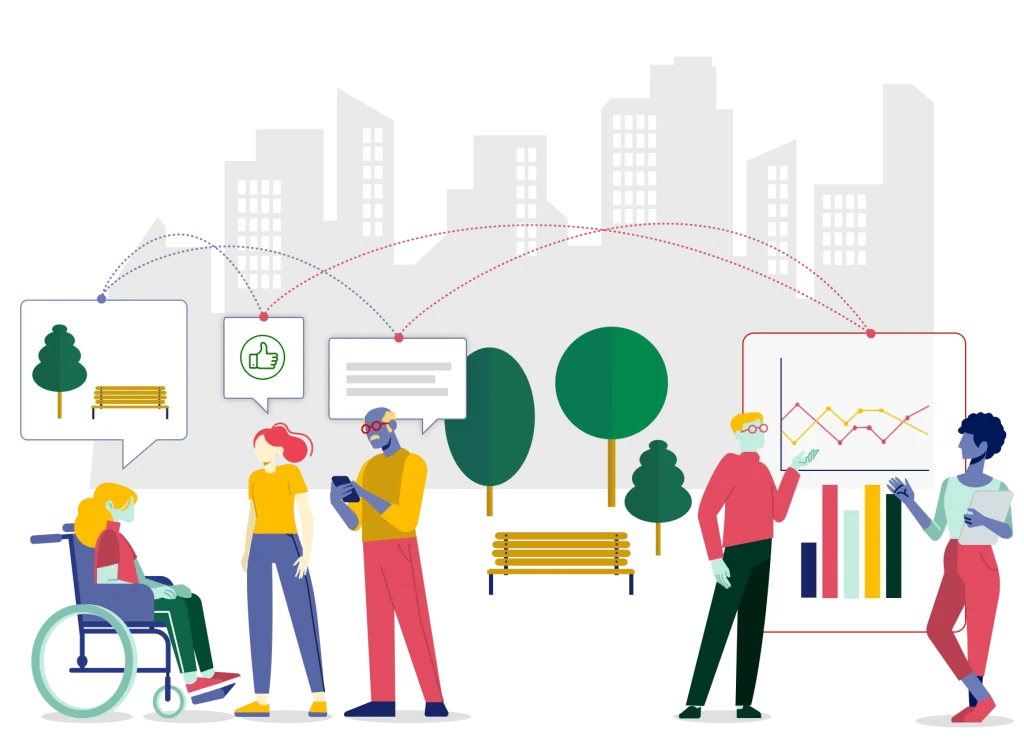
Think about the last time you felt truly connected online. Not just liked a post or skimmed a comment, but genuinely part of a conversation that mattered. That feeling is getting rarer in the noisy, algorithm-driven chaos of public social media. Honestly, it’s exhausting.
That’s why private community ecosystems are exploding. They’re not just forums or Slack channels anymore. They’re vibrant, gated digital spaces—like a modern campfire circle—where shared interests, trust, and value exchange fuel something powerful. And yes, something you can build a real business around.
What Exactly Is a Private Community Ecosystem?
Let’s break it down. An “ecosystem” is the key word here. It’s not a single group. It’s an interconnected habitat. Imagine a central private community (the heart), surrounded by supporting content like podcasts or blogs, maybe a paid newsletter, exclusive events, and digital products. Each part feeds the others, creating a self-sustaining environment for members… and for you, the creator.
It’s a shift from audience to owned audience. You’re not renting space from a tech giant; you’re building a home you own. The value is in the depth of connection, the quality of interaction, and the safety to have real, unfiltered discussions.
The Core Pillars of a Thriving Ecosystem
Before you think about money, you have to build something people want to live in. Here’s the deal:
- A Crystal-Clear Niche & Purpose: “People who like stuff” isn’t a community. “Aspiring indie SaaS founders bootstrapping in Southeast Asia” is. Your niche is your magnet.
- Unmissable Value & Rituals: This is the daily and weekly rhythm. Maybe it’s a weekly “Office Hours” AMA, a member spotlight, or a curated resource drop. These rituals become the glue.
- Genuine Connection Facilitation: You can’t force friendships. But you can architect serendipity. Introduce members to each other. Create sub-groups for masterminds. The magic happens member-to-member, not just you-to-member.
- The Right Platform Mix: This is crucial. Maybe you host discussions on Circle or Discord, deliver content via Teachable, and gather live on Zoom. Your tech stack should feel seamless, not schizophrenic.
The Monetization Mindset: Value First, Transaction Second
Okay, let’s talk money. The biggest mistake is monetizing too early, before you’ve proven any value. It’s like charging admission to an empty party. Your ecosystem needs to hum with life first. Once it does, revenue becomes a natural exchange for escalating value.
Proven Models for Monetizing Your Community
Here’s a look at the most effective ways to turn your vibrant ecosystem into a sustainable business.
| Model | How It Works | Best For… |
| Tiered Membership | Offering different access levels (e.g., Basic, Core, Inner Circle) with escalating perks and price points. | Building a scalable, recurring revenue foundation. It lets members self-select their level of engagement. |
| Premium Add-Ons & Courses | Selling specialized courses, workshops, or downloadable resources directly to your engaged community. | Capitalizing on shared learning goals. The community trust drastically boosts conversion rates. |
| Sponsored Access & Partnerships | Carefully allowing relevant brands to present to, get feedback from, or offer deals to your community. | Established communities with a desirable demographic. Transparency with members is non-negotiable here. |
| Events & Retreats | Hosting virtual summits or in-person retreats for your members, often at a high ticket price. | Deepening bonds and creating unforgettable, high-value experiences. The profit margins can be significant. |
You know, one model I see working really well is a hybrid. A mid-tier monthly subscription that includes access and some resources, plus a high-end annual mastermind tier with live events. It creates multiple pathways in.
Avoiding the Common Pitfalls (They’re Sneaky)
Building this isn’t all campfire songs and s’mores. Burnout is real. Community drama is real. Here are a few speed bumps to watch for:
- Under-moderation: A toxic member can poison the well. Fast. Have clear guidelines and be ready to enforce them. It’s not being mean; it’s being a good host.
- Over-Promising: Don’t vow to answer every post personally if you can’t. Set realistic expectations for your involvement. Scale with trusted moderators or community leaders.
- Platform Paralysis: Don’t spend 6 months tweaking your forum colors. Launch with a minimum viable community and let your members guide its evolution. Seriously, just start.
- Ignoring the Data: What channels are dead? What events have the highest no-show rate? Pay attention. Be willing to sunset things that aren’t working. An ecosystem prunes itself to grow.
The Long Game: It’s About Legacy, Not Just Launch
Monetizing a private community ecosystem isn’t a quick flip. It’s a commitment to cultivating a digital home. The revenue is a byproduct of getting it right—of fostering genuine connections, solving real problems, and creating a space where people feel seen.
The most successful communities I’ve seen… well, they almost run themselves. The founder provides the container and the initial spark, but the members bring the fuel. They answer each other’s questions. They collaborate. They become friends. At that point, you’re not just a creator; you’re a steward of a living, breathing asset that provides immense value—and yes, a resilient income—for years to come.
That’s the real shift. From chasing algorithms to nurturing a garden you own. The tools are there. The need for true connection has never been greater. The question isn’t really about the “how” anymore. It’s about what kind of world you want to build around that campfire, and who you want to invite to share its warmth.

