Creating Accessible and Inclusive Customer Support for Neurodiverse Users
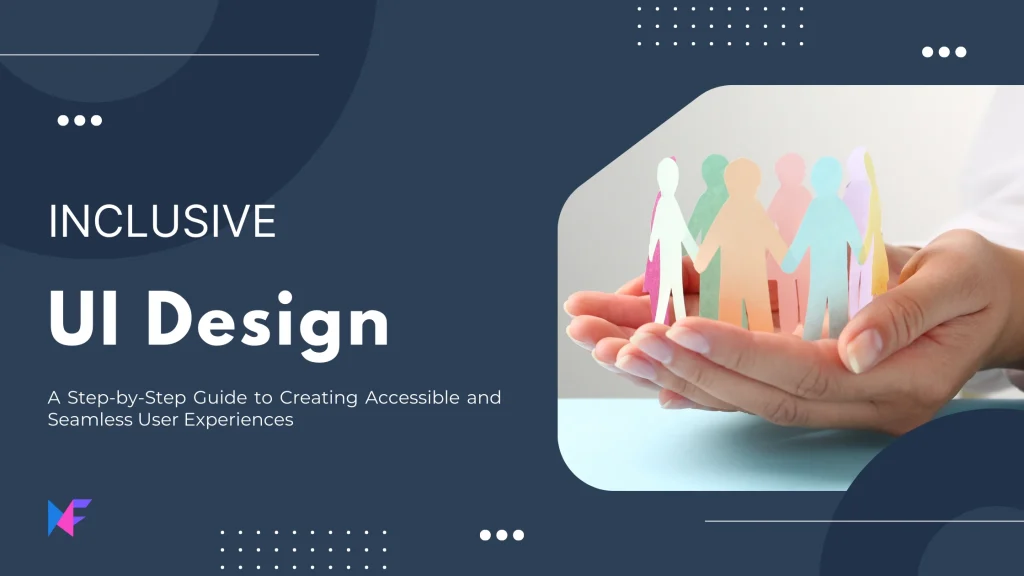
Think about the last time you contacted customer support. Maybe you were frustrated, in a hurry, or just needed a simple answer. Now, imagine that process—the ringing phone, the chat box popping up, the back-and-forth emails—feeling like trying to solve a puzzle in a room that’s too loud, too bright, and where the instructions are in a language you only half-understand.
For many neurodiverse individuals, that’s the reality. Neurodiversity, you know, is the concept that brain differences like autism, ADHD, dyslexia, and others are simply natural variations in the human genome. It’s not about fixing a deficit; it’s about designing a world that accommodates different ways of thinking, processing, and communicating.
And honestly, customer support is a critical frontier for this kind of inclusion. It’s where brand promises meet real human experience. So, let’s dive into how we can move beyond a one-size-fits-all model and build support systems that truly serve everyone.
Why Neurodiversity Inclusion Isn’t Just Nice—It’s Necessary
First off, the scale. It’s estimated that 15-20% of the global population is neurodivergent. That’s a massive segment of your customer base. When their support needs aren’t met, you’re not just providing a poor experience—you’re effectively turning away potential lifelong customers.
The pain points? They’re varied, but common threads emerge. A phone call can be anxiety-inducing for someone with social communication differences. A cluttered, flashing support portal might overwhelm someone with sensory sensitivities. Vague language or implied steps can completely lose a person who needs explicit, literal instruction.
Inclusive support, then, is about removing these unnecessary barriers. It’s about reducing the cognitive and emotional load required to get help. And the beautiful part? These changes almost always improve the experience for all users. Clearer communication, multiple contact options, less friction—that’s just good service.
Rethinking the Channels: A Multi-Pathway Approach
Here’s the deal: forcing everyone down a single path is a recipe for exclusion. The cornerstone of neurodiverse-friendly support is offering genuine, well-supported choice.
Asynchronous is King (or Queen)
For many neurodivergent users, real-time communication is the biggest hurdle. Phone calls and live chat demand instant processing, social cue interpretation, and quick verbal responses. That can be… a lot.
Prioritize and promote asynchronous options:
- Email: Allows time to compose thoughts, re-read, and respond without pressure.
- Detailed Help Centers: With searchable, step-by-step articles that actually solve common problems.
- Ticketed Systems: Where the user has a clear reference and can track progress.
- Social Media DMs: For those who find that interface more intuitive.
And when you do offer live chat, make it clear users can take their time. A simple “I’m thinking, please bear with me” shouldn’t be a stressful request.
Phone Support Done Differently
Don’t scrap the phone! For some, it’s preferred. But train your agents. Let them know it’s okay if a customer is direct, needs silence to process, or asks to repeat information. Scripts can be helpful, but rigid ones sound robotic. Empower agents to adapt their pace and clarify patiently.
Crafting Communication for Cognitive Accessibility
This is where the rubber meets the road. It’s not just what you say, but how you structure it.
Clarity Over Cleverness. Avoid idioms, corporate jargon, and vague phrasing. “Let’s circle back” or “touch base” can be confusing. Say “I’ll email you tomorrow with an update.” Be literal. Be specific.
Structure is Your Friend. Use short paragraphs. Bullet points (like these!). Numbered steps for procedures. Clear headings. This helps everyone, especially users with dyslexia or ADHD, follow the thread without losing their place.
Offer Summaries. After a complex explanation, provide a quick recap. “To summarize the next steps: 1) You’ll receive a confirmation email. 2) Click the link in it. 3) Your account will update within an hour.” It’s a safety net for processing.
The Digital Environment: Sensory & Usability Tweaks
Your support portal or app isn’t just a tool; it’s an environment. Small design choices have big impacts.
| Feature | Potential Barrier | Inclusive Adjustment |
| Auto-playing videos/sounds | Sensory overload, startle response | Always have controls to pause, mute; don’t auto-play. |
| Low-contrast text, fancy fonts | Visual stress, reading difficulty | High contrast mode option, simple readable fonts like Arial. |
| Complex navigation, too many options | Cognitive overload, decision fatigue | Clean layouts, progressive disclosure (show info as needed). |
| Time-limited session logouts | Pressure, loss of unfinished work | Extend timeouts, provide clear warnings before logout. |
Also, let’s talk about empathy in tone. Avoid excessive exclamation points!!! and overly cheerful platitudes. For a stressed user, a calm, factual, and helpful tone is often more reassuring than forced enthusiasm.
Training & Culture: The Human Backbone
All the channels and design in the world won’t help if the support team isn’t on board. Training can’t be a one-time HR checkbox. It needs to foster a mindset.
Train agents to:
- Listen for the need behind the words. A question that seems “off-topic” might be a logical step for the user.
- Confirm understanding. “Does that make sense?” or “Would you like me to explain that another way?”
- Be okay with directness. A user stating “Send me a replacement” isn’t being rude; they might just be communicating efficiently.
- Manage their own pace. It’s not a race. Patience is the ultimate tool.
A Continuous Journey, Not a Destination
Look, building truly accessible customer support for neurodiverse users isn’t about a grand, perfect overhaul. It’s a practice. It starts with recognizing that your default setup is just that—a default, not the norm.
The most powerful step? Involve neurodiverse individuals in the process. Get feedback on your help docs. Have neurodivergent folks test your contact flows. Their lived experience is the best blueprint you’ll ever find.
In the end, it comes down to a simple, profound shift: from asking “How do we solve this problem?” to “How do we make solving this problem accessible to the person experiencing it?” When we design for the edges, we nurture the center. And we create customer support that doesn’t just answer questions, but genuinely connects.
