Navigating Sales in a Privacy-First World: Strategies Beyond Third-Party Cookies
Let’s be honest—the digital marketing landscape feels a bit like a game of Jenga right now. For years, third-party cookies were that foundational block at the bottom, holding up our entire understanding of who customers are and what they want. Now, it’s being pulled. And the tower is wobbling.
But here’s the deal: this isn’t an apocalypse. It’s a recalibration. A shift back toward genuine connection, built on trust and value, not covert tracking. The privacy-first world isn’t a barrier; it’s the new playing field. And the strategies that will win are more human, more creative, and honestly, more effective in the long run.
Why the Crutch Is Being Kicked Away
You can’t navigate the new terrain if you don’t understand the climate change. Consumers are simply fed up with feeling like a product. High-profile data breaches, creepy ad retargeting that follows you from a casual browse to your social feed—it’s eroded trust. In fact, a majority of users now actively seek out privacy controls.
Regulations like GDPR and CCPA gave that feeling legal teeth. And then, the big players—Apple with its App Tracking Transparency, Google phasing out third-party cookies in Chrome—made it a technical reality. The signal is clear: the era of passive, widespread data collection is over. The future is privacy-compliant marketing, built on permission and transparency.
The New Foundation: First-Party Data Is Your Gold
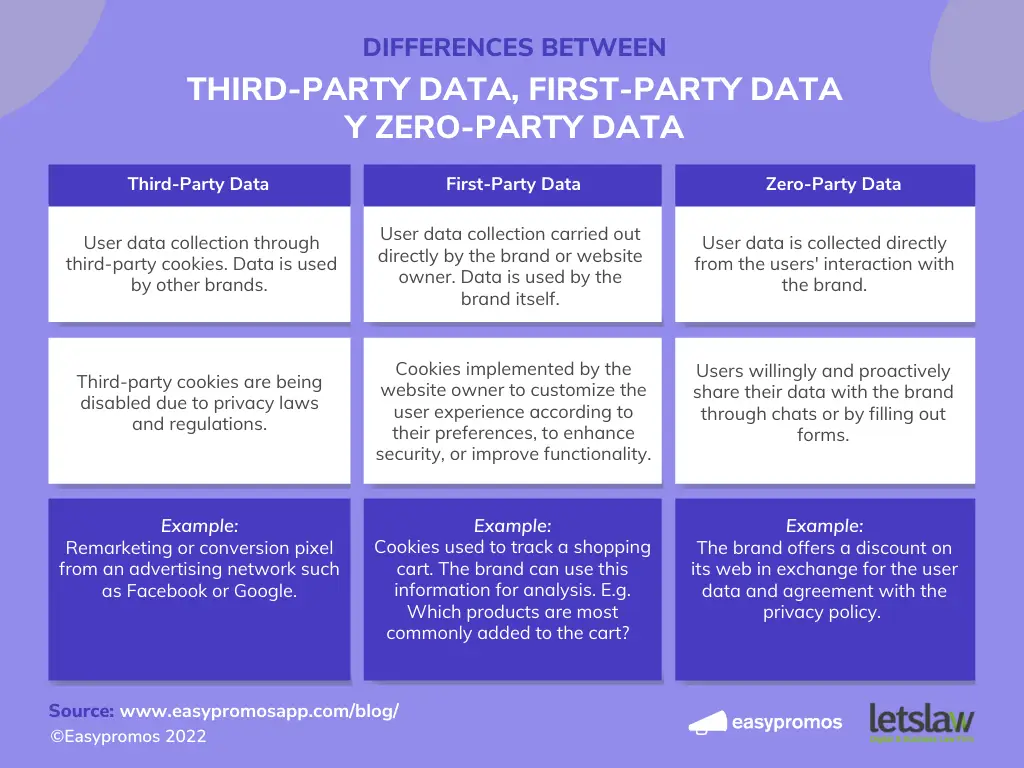
If third-party data was cheap, fast food, first-party data is a homegrown, organic meal. It’s the information customers choose to give you directly. Their email, their purchase history, their preferences when they fill out a quiz, their engagement with your content. It’s volunteered, it’s accurate, and it’s incredibly valuable for building customer relationships.
Think of it as moving from a loud, crowded party where you’re guessing names to a quiet coffee chat with a friend. The depth of insight is just… different.
How to Actually Collect This Data (Without Being Annoying)
This is the crux of it, right? You can’t just demand it. You have to earn it through value exchange. A clunky pop-up screaming “SUBSCRIBE!” won’t cut it anymore.
- Create truly gated value: Offer an indispensable tool, a deeply insightful ebook, or a personalized assessment. Something that makes a user think, “Sure, my email is a fair trade for this.”
- Leverage interactive content: Quizzes, calculators, configurators. These are engagement magnets that naturally collect preferences. A “find your perfect product” quiz is both a service and a data goldmine.
- Be transparent about the value loop: Tell them what they get. “Share your email for early access to sales.” “Tell us your goal for a customized weekly tip.” Clarity builds trust.
Context Is the New Cookie
Without being able to stalk a user across the web, the where and when of their engagement becomes paramount. This is about contextual advertising strategies. Placing your ad for hiking boots on a renowned outdoor adventure blog, or your SaaS tool on a niche industry publication. You’re reaching people when their mindset is already aligned with your offering.
It’s less “we know you looked at boots last Tuesday” and more “we know you’re deeply interested in hiking right now, because you’re reading this article.” It’s respectful and, frankly, more logical.
Building Direct Connections: The Untouchable Channel
When you own the relationship, you own the data. This is where channels you control become your most powerful assets.
| Channel | Strategy for a Privacy-First Era |
| Email Marketing | Segment fiercely based on first-party data. Send hyper-relevant content and offers that feel personal because they are personal, based on what the subscriber told you. |
| SMS/Text | The ultimate high-permission, high-engagement channel. Perfect for time-sensitive offers or transactional updates, but the bar for value is sky-high. |
| Your Website & Blog | Optimize for engagement, not just traffic. Use on-site behavior (pages viewed, time spent) to fuel smart personalization engines that work without third-party data. |
| Community (Discord, Forums) | Foster a space for peer-to-peer connection. The insights you gain here into customer pain points and desires are pure, qualitative gold. |
Embracing a “Zero-Party” Mindset
This takes first-party data a step further. Zero-party data is information a customer intentionally and proactively shares with you. Think preference centers, purchase intentions, or personal goals they tell you via a survey. It’s the ultimate expression of trust. You’re not inferring or tracking; you’re having a conversation.
Asking “What are you hoping to achieve this quarter?” can be more powerful than a hundred inferred data points.
The Tech That Makes It All Possible
Sure, this sounds great. But how do you orchestrate it? A few key technologies are becoming non-negotiable:
- Customer Data Platforms (CDPs): These unify all that first-party data from every touchpoint into a single, actionable customer profile. It’s the central nervous system for your privacy-first strategy.
- Clean Rooms: These allow for secure, privacy-safe data collaboration between companies (like an advertiser and a publisher) without exposing raw data. It’s like comparing insights through a double-paned, secure glass.
- AI & Predictive Modeling: With a rich set of first-party data, AI can help predict future behavior, identify lookalike audiences, and personalize experiences at scale—all within your own walled garden.
Where Does This Leave Us?
Look, the transition is messy. It requires more upfront work, more creativity, and a genuine shift in mindset from “extraction” to “exchange.” But that’s the point. The easy, lazy path is closing. The path that remains is the one that builds real business resilience.
You’re not losing a tracking tool. You’re being pushed to build something better: direct relationships, explicit trust, and a marketing ecosystem that feels less like surveillance and more like service. In the end, the privacy-first world isn’t a limitation for savvy sales and marketing teams. It’s an invitation—an invitation to finally build something that lasts.


